
Author: Aging Skin Care Guide
-

Best Skin Care Habits That Help Aging Skin Repair Itself
Best Skin Care Habits That Help Aging Skin Repair Itself As skin ages, its natural repair process slows down. Cuts, irritation, and minor skin damage may take longer to heal than they once did. While this change is a normal part of aging, certain daily habits can help support the skin’s natural ability to recover.…
-
Crepey Skin on Neck & Arms
Crepey Skin on the Neck and Arms: Why It Happens and How to Improve It Naturally Crepey skin on the neck and arms is one of the most noticeable signs of aging. As collagen decreases and skin loses moisture, these areas can appear thin, wrinkled, and fragile. The good news is that targeted care can…
-
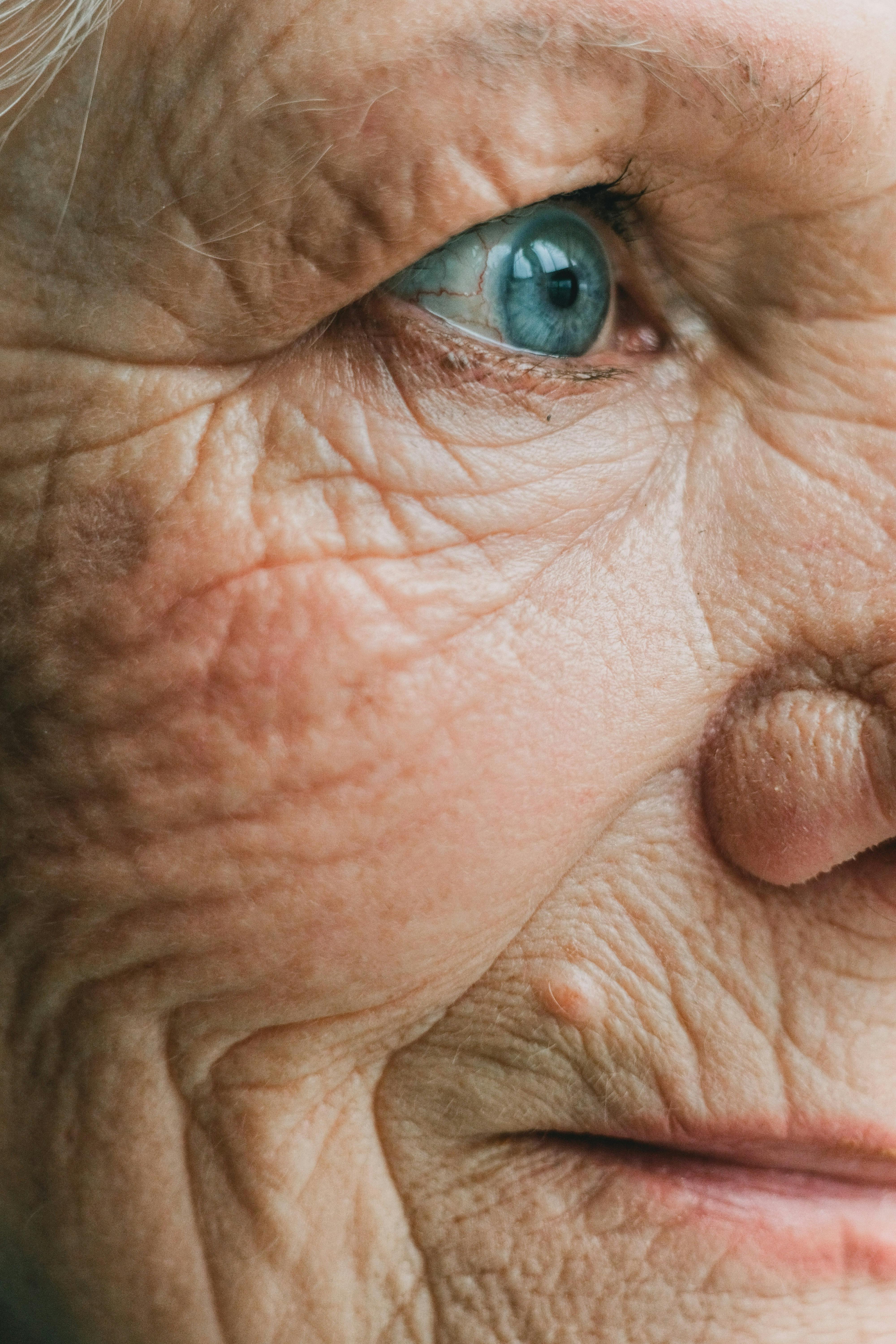
How to Reduce Wrinkles in Aging Skin
Effective Ways to Reduce Wrinkles and Keep Aging Skin Radiant As we age, wrinkles become a natural part of life, a testament to the years we’ve lived and the experiences we’ve had. While they are a normal part of aging, many seek ways to reduce their appearance and maintain smoother, youthful-looking skin. Fortunately, advances in…
-
Age Spots & Discoloration in Aging Skin: Causes and Solutions
Age spots, also called liver spots or sun spots, are one of the most common visible signs of aging skin. These flat brown, tan, or gray patches usually appear on areas that receive the most sun exposure over time — especially the face, hands, shoulders, and arms. While age spots are harmless, many people want…
-
Wrinkles & Loss of Elasticity in Aging Skin: Causes and Solutions
Why Aging Skin Develops Wrinkles Wrinkles are one of the most familiar signs of aging skin, but they are not random lines that suddenly appear. They are the visible outcome of gradual changes happening inside the skin over many years. As time passes, the skin’s building blocks break down, repair slows, and daily habits and…
-
Thin Aging Skin and Why it Matters
As we age, it’s common to notice that skin seems thinner, more fragile, and slower to bounce back from everyday bumps or irritation. Thin aging skin isn’t just a cosmetic concern—it reflects real structural changes happening within the skin’s layers. Understanding those changes can help you choose routines and habits that better support and protect…
-
Moisture Loss and Dry Aging Skin
As we age, one of the first changes many people notice is increasing dryness. Skin that once felt soft and bouncy can start to feel tight, rough, or flaky, even when you’re doing “all the right things.” This shift isn’t your imagination—moisture loss is a natural part of the skin’s aging process, and understanding why…
-

Menopause and Aging Skin: Why Skin Gets Dryer (and What to Do)
How Menopause Change Aging Skin Menopause is a natural life stage, but its effect on the skin can feel anything but natural. As estrogen levels fall, many women notice their skin becoming drier, thinner, and less resilient, with fine lines and wrinkles appearing more pronounced. Understanding what is happening beneath the surface can make this…
-
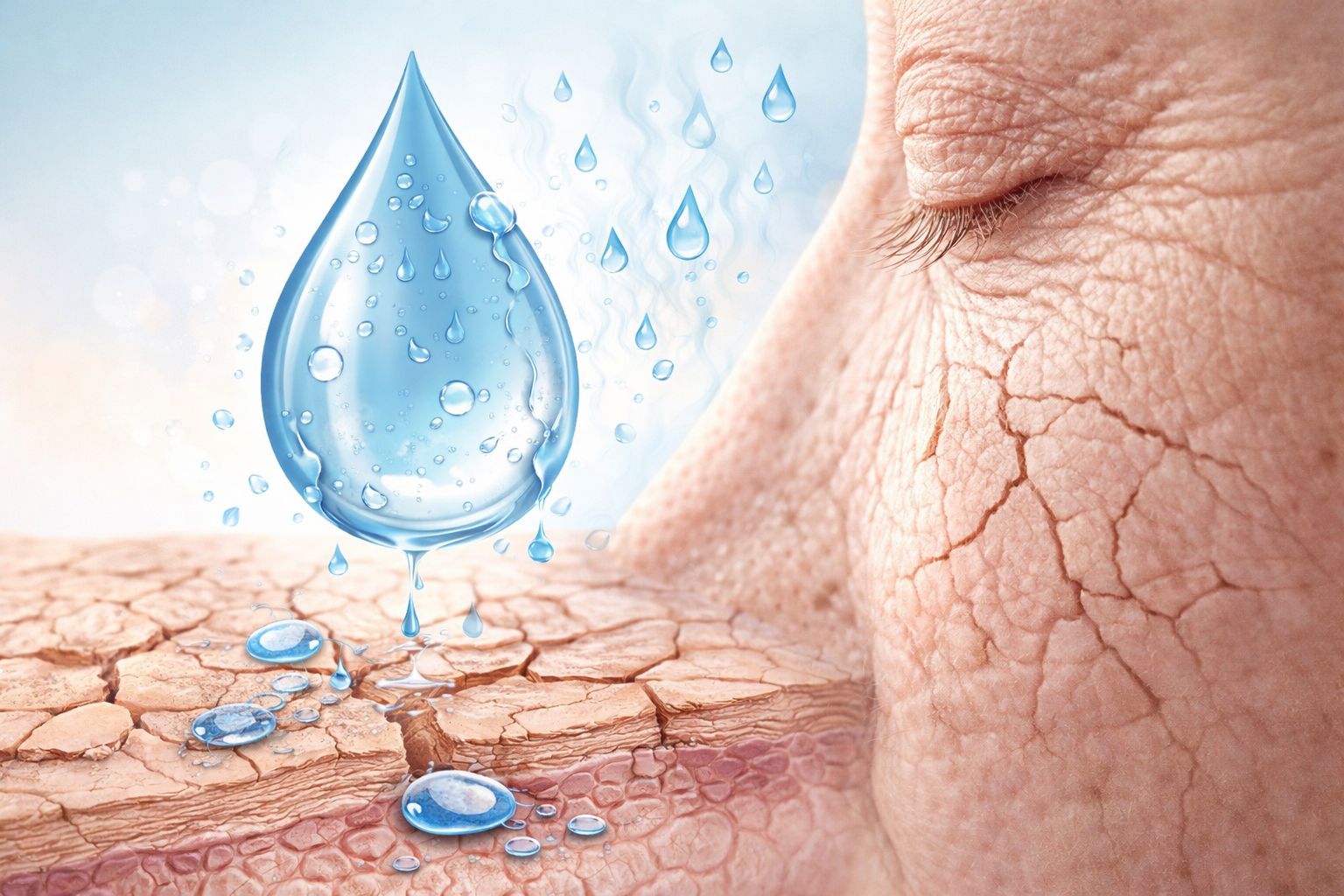
Moisture Loss and Aging Skin: Why Dryness Increases as We Get Older
Why Aging Skin loses moisture more easily As we get older, many people notice their skin feels drier, tighter, and less radiant than it once did. This is not just a cosmetic issue; it reflects real biological changes in how the skin holds on to moisture. Understanding why dryness increases with age can help both…